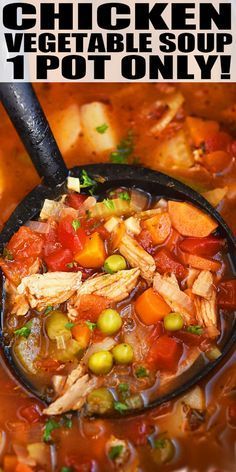
Wholesome & Easy: Crafting Your Perfect Chicken Vegetable Soup
Few dishes evoke the same sense of warmth, comfort, and nourishment as a steaming bowl of chicken vegetable soup. It's a culinary hug, a restorative meal, and a versatile staple in kitchens worldwide. Far from being just a remedy for the common cold, a well-made chicken vegetable soup is a powerhouse of nutrients, packed with lean protein, vibrant vegetables, and a flavorful broth that can be tailored to almost any dietary need or preference. This article will guide you through crafting your perfect bowl, transforming simple ingredients into a deeply satisfying and wholesome experience.
The Heart of the Matter: Your Broth and Protein Powerhouse
The foundation of any exceptional chicken vegetable soup lies in its broth. While store-bought options can certainly work in a pinch, taking the time to use a high-quality broth elevates the entire dish. For an extra boost of nutrition and a rich, savory depth, bone broth is an unparalleled choice. Rich in collagen, amino acids, and minerals, bone broth contributes significantly to the soup's wholesome character, supporting gut health, joint function, and even skin elasticity. Aim for about 10 ounces of bone broth per serving for a truly nourishing liquid foundation.
Next, let's talk about the chicken. Tender, seasoned chicken pieces are the lean protein star of this soup. You have several options:
- Chicken Breast: Often grilled or simmered, then shredded or diced, chicken breast offers a very lean protein source. Seasoning it well before adding it to the soup is crucial for flavor.
- Chicken Thighs: For a richer flavor and slightly more tender texture, boneless, skinless chicken thighs are an excellent choice. They hold up beautifully to simmering.
- Leftover or Rotisserie Chicken: This is the ultimate hack for an "easy" soup. Already cooked and often seasoned, it significantly cuts down on preparation time. Simply shred or dice and add it towards the end of cooking to warm through.
Incorporating approximately 33 grams of protein per serving (as found in similar high-protein chicken soups) makes this dish incredibly satisfying and supportive for muscle maintenance and overall satiety. It’s a fantastic option for those following diets like Paleo, Whole30, or anti-inflammatory eating plans.
A Rainbow of Goodness: Mastering Your Vegetable Medley
One of the greatest joys of making chicken vegetable soup is the sheer flexibility in your vegetable choices. This is where your soup truly comes alive with color, texture, and a diverse range of micronutrients, vitamins, fiber, and antioxidants. While classic pairings like carrots, celery, and onion form a beloved aromatic base, don't be afraid to experiment!
Consider the following for your medley:
- Staples: Carrots (for sweetness and Vitamin A), celery (for crunch and savory notes), and onions (the flavor backbone) are non-negotiables for many traditional recipes.
- Root Vegetables: Potatoes (about 3 large ones for a heartier soup), sweet potatoes, parsnips, and turnips or swede add body, a subtle sweetness, and a comforting earthiness. They also help to naturally thicken the broth slightly as they break down.
- Green Power: Zucchini, broccoli florets, green beans, peas, or even leafy greens like spinach or kale (added towards the end) boost the nutrient profile and add freshness.
- Seasonal Selections: Embrace what's in season! Bell peppers in summer, butternut squash in autumn – seasonal vegetables not only taste better but are often more affordable.
The beauty is that quantities are very much "up to you," as one long-time soup maker puts it, encouraging an intuitive approach. The key is simply to have enough stock to cover your chosen vegetables. This ensures they cook evenly and infuse the broth with their natural flavors without becoming waterlogged.
Crafting for Wellness: Allergy-Friendly & Dietary Adaptations
A significant advantage of homemade chicken vegetable soup is its inherent adaptability, particularly for individuals with dietary restrictions. The traditional form, built on clear broth, lean protein, and fresh vegetables, naturally lends itself to being dairy-free and gluten-free. This makes it a wholesome, comforting dish accessible to a wider audience, including those with lactose intolerance, milk allergies, or gluten sensitivities.
By consciously avoiding cream, butter, or wheat-based thickeners (common in many conventional soups), you create a meal that helps reduce inflammation and digestive discomfort. For those managing allergies to casein and whey, excluding dairy products like cream or butter is essential. Similarly, omitting gluten-containing ingredients ensures suitability for Celiac disease or gluten sensitivities.
This focus on clean, whole ingredients makes chicken vegetable soup an ideal choice for:
- Paleo and Whole30 Diets: It aligns perfectly with their emphasis on unprocessed foods.
- Anti-Inflammatory Diets: Rich in antioxidants from vegetables and free from common inflammatory triggers like gluten and dairy.
- Recovery Periods: Its gentle warmth, hydrating properties, and nutrient density make it a restorative option during illness.
It’s a testament to how simple, fresh ingredients can create a meal that is both deeply satisfying and powerfully beneficial for everyday health, making it a popular choice for meal prep and family cooking.
Beyond the Basics: Elevating Your Soup Experience
Once you have your broth, chicken, and vegetables, it's time to bring everything together with thoughtful seasoning and cooking techniques.
- Layering Flavors: Start by sautéing your aromatics (onions, celery, carrots) in a little olive oil before adding broth. This builds a deeper flavor base. Fresh garlic and herbs like thyme, rosemary, bay leaves, and parsley are indispensable for that classic, comforting aroma.
- Seasoning Smartly: Don't just season at the end. Taste as you go, adjusting salt and pepper. A squeeze of fresh lemon juice at the very end can brighten the entire soup and make the flavors pop.
- Cooking Order: Add longer-cooking vegetables (potatoes, sweet potatoes, parsnips) first. Shorter-cooking vegetables (zucchini, broccoli, leafy greens) should go in towards the end to maintain their texture and vibrant color.
- Thickening Options (with care for dietary needs): While the primary focus here is a clear broth, if you desire a slightly thicker consistency without using wheat or dairy, you have options. You can:
- Puree a portion of the cooked vegetables (especially potatoes or root vegetables) back into the soup.
- For those who can tolerate it, a small amount of cornstarch or arrowroot slurry can be used to thicken the broth.
- Interestingly, some regional variations, like "Mum's" northern English soup, traditionally use a tin of Pease Pudding for a unique, hearty thickener, offering a fascinating departure from the typical clear broth.
- Meal Prep & Storage: This soup is ideal for making ahead. It often tastes even better the next day as the flavors meld. Store in airtight containers in the refrigerator for up to 3-4 days, or freeze in individual portions for convenient, healthy meals on demand.
Ultimately, crafting your perfect chicken vegetable soup is about embracing the process, experimenting with ingredients, and making it your own. Whether it’s a nostalgic nod to childhood or a new healthy go-to, this soup promises to deliver wholesome goodness with every spoonful.
Conclusion
From its simple origins as a comforting meal to its modern role as a highly adaptable, nutrient-dense staple, chicken vegetable soup continues to stand the test of time. By focusing on quality broth, lean protein, and a vibrant array of fresh vegetables, you can create a wholesome, easy-to-make dish that caters to various dietary needs without sacrificing flavor or satisfaction. Embrace the flexibility, enjoy the process, and savor the soothing warmth of your homemade creation, proving that sometimes, the simplest meals are truly the most profound.
